Africa faces a growing energy security challenge despite its vast oil, gas and renewable energy resources. Millions of Africans still lack reliable and affordable electricity, while inadequate infrastructure, limited investment, weak regional integration and dependence on imported refined products constrain economic growth and industrialisation.
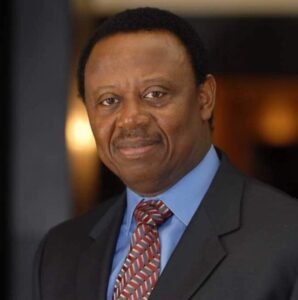
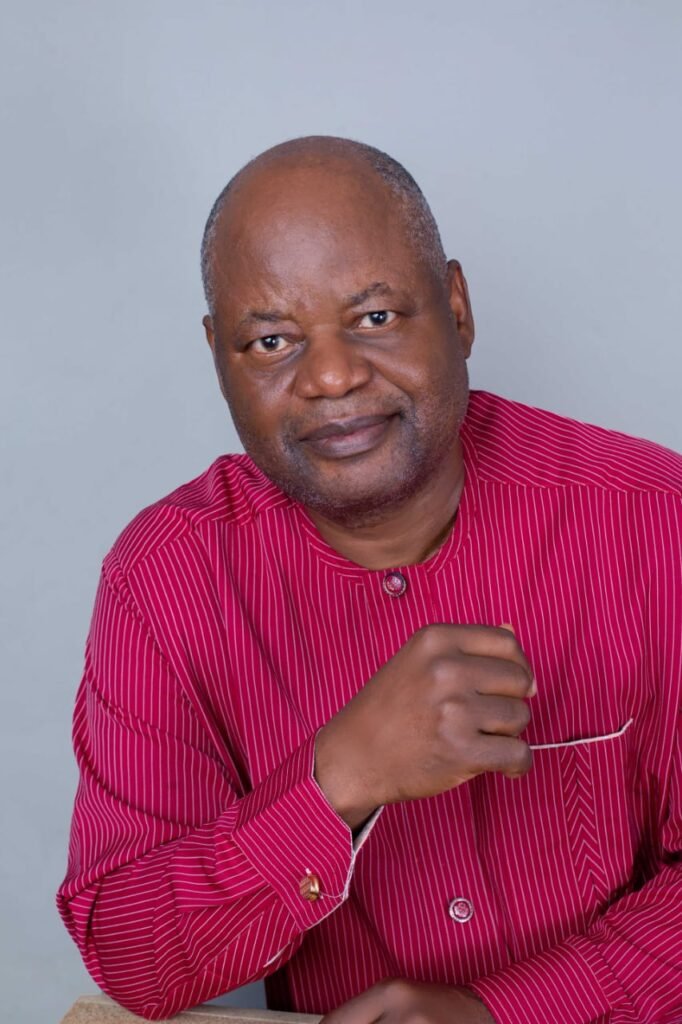
In this interview with AJERAP, Prof. Ken Ife, Lead Consultant on Private Sector Development and Chief Economic Strategist for the ECOWAS Commission, examines Africa’s energy paradox, the barriers to developing its resources and the need for stronger regional cooperation. He also discusses strategies to reduce external energy shocks, expand refining and infrastructure, and unlock Africa’s energy wealth for sustainable development.
How would you assess Africa’s current energy security situation, given the continent’s vast oil, gas and renewable energy resources but persistent electricity and energy access deficits?
Africa continues to face a profound energy paradox, where abundant natural resources coexist with severe energy poverty and energy insecurity. Around 600 million people still lack reliable, affordable and accessible electricity.
The continent also faces high refined-product costs, limited adoption of biofuels, bioethanol and Sustainable Aviation Fuel (SAF), and insufficient development of domestic refining capacity. Much of Africa’s oil and gas production is exported rather than processed locally to generate power and provide affordable refined products.
Other major challenges include frequent and systemic grid collapses, high transmission losses resulting from ageing and poorly maintained national grids, supply-chain misalignment and liquidity challenges among generation companies (Gencos), the transmission system and distribution companies (Discos), particularly in relation to gas supply. Low metering levels and poor revenue collection further weaken the electricity value chain.
Another major challenge is under-investment in the sector, particularly the failure to effectively mobilise public-private partnerships (PPPs) involving investors with deep financial resources, strong technical expertise and the capacity to access and deploy global clean-energy financing.
What are the major economic and policy barriers preventing African countries industrialization and economic growth?
The major barriers include severe financing deficits, weak grid infrastructure, fossil-fuel subsidies, non-cost-reflective electricity tariffs, weak utility finances and inconsistent energy policies.
Africa faces high capital costs and significant financing constraints. The average interest rate for renewable-energy projects on the continent is estimated at about 8.2%, almost twice the 4.4% average in Europe, making projects more expensive to develop and finance.
Inadequate grid infrastructure and high transmission losses also constrain energy development, while the insolvency or weak financial position of many utilities limits their ability to invest in infrastructure and attract private capital.
Fossil-fuel subsidies can distort energy markets and discourage investment in competitive renewable-energy alternatives. Weak regulatory frameworks and inconsistent long-term energy policies also create uncertainty for private developers and foreign investors.
In addition, Africa’s 54 sovereign states operate under different regulatory regimes, market structures and technical standards. These differences can complicate cross-border energy projects, regional grid integration and the sharing and development of transboundary energy resources.
How can regional institutions such as ECOWAS strengthen cross-border energy trade, regional power pools and gas infrastructure to improve energy security across West Africa?
Regional institutions such as ECOWAS should deepen their support for the West African Power Pool (WAPP), which has for many years been working to interconnect national electricity grids and facilitate regional power trading.
There is also a need to accelerate investment in major regional power-generation projects and transmission infrastructure, while exploring opportunities to connect West Africa with larger continental energy projects.
Beyond electricity, West Africa should strengthen regional gas infrastructure and develop pipelines and other systems capable of connecting gas-producing countries with major demand centres.
Large-scale projects under consideration across Africa, including the proposed Nigeria-Morocco-Europe gas pipeline and the Trans-Saharan Gas Pipeline linking Nigeria with Algeria and onward to Europe, could contribute to regional and continental energy security if effectively financed and implemented.
At the same time, ECOWAS and other regional institutions should promote renewable-energy development, harmonise regulations and technical standards, facilitate cross-border investments and strengthen regional energy markets.
With global energy markets facing geopolitical and supply disruptions, what strategies should African countries adopt to reduce their vulnerability to external energy shocks while maintaining affordable energy supplies?
First, African countries should strengthen the Gulf of Guinea as a strategic energy hub and a viable alternative supply corridor to the Gulf of Hormuz. The Gulf of Guinea stretches across major oil- and gas-producing countries, including Angola, Gabon, the Republic of Congo, Cameroon, Nigeria, Equatorial Guinea and Ghana, with significant crude oil and natural gas resources as well as growing refining and petrochemical capacities.
Second, African oil-producing countries should intensify investments in domestic refining and petrochemical capacity. This would reduce the continent’s dependence on imported refined products, lower exposure to international supply disruptions and help address Africa’s estimated annual refined-product import bill of about $100 billion.
Countries should also diversify their energy mix by accelerating investments in natural gas, renewables, biofuels, bioethanol, Sustainable Aviation Fuel and other low-carbon energy sources.
There should also be greater investment in strategic petroleum reserves, regional energy infrastructure, storage facilities and interconnected electricity and gas networks to improve the continent’s ability to withstand external supply shocks.
On OPEC membership, individual oil-producing countries should continuously assess the economic and strategic implications of their membership against their national interests. Any decision to leave OPEC should, however, be based on a comprehensive assessment of its implications for production policy, market access, investment, government revenues and long-term energy security.
Ultimately, Africa needs to move from being primarily an exporter of raw energy resources to becoming a major centre for energy processing, manufacturing and value addition. This will strengthen energy security, create jobs, improve foreign-exchange earnings and support industrialisation.